Projects - Fall 2025
Project Gallery
|
|
|
|
|
|
|
|
|
Tentative Project Timeline
October 3rd: Signups Open
October 7th: Finalize Teams and Tracks
October 10th: Start Safety Training for Hardware Teams
October 14th and 16th: Project Pitch Presentation
October 20th: Official start of final projects
November 14th: Midpoint Check-in
December 12th: Final Presentations
TBD: Team evaluation form due [link will be made available towards the end of semester]
Check lectures for details on what to develop for each of tracks!
Check Campuswire for detailed guidelines and examples for the final presentation, mid-point check-in, and pitch presentation!
Grade breakdown
The team project is worth 25% of your total grade. The breakdown of the grades is below.
PROJECT PITCHES (15%)
In class, you’ll be giving a high-level pitch of what you would like to focus on for your project. Here is a template for your presentation.
MILESTONE CHECK-IN (20%)
Choose any 15-minute slot during TBD to discuss your progress with TAs.
You are expected to have 12*N hours of work since the pitch presentations (N=number of group members)
It will be a combination of Group progress + Individual Questions
FINAL PRESENTATION (65%)
ECE484 Fall 2025 Presentation Guidelines
-
You must provide a motivation and introduction to your project, a description of the overall system, methods you have used, and your key highlights of your results in a 2 min video. Make sure it is visually interesting. This is to be submitted by TBD 11:59PM
-
Your final presentation will be TBD where you will give a VERY BRIEF description of your problem and focus PRIMARILY on your results and evaluation.
-
You will be graded by the course staff on your (1) pitch / motivation; (2) clarity of the system description; (3) novelty of the method; (4) thoroughness of (proposed) analysis and results (if finished); and (5) presentation style.
-
A rubric will be posted soon.
1. GEM (Hardware) Track
Description.
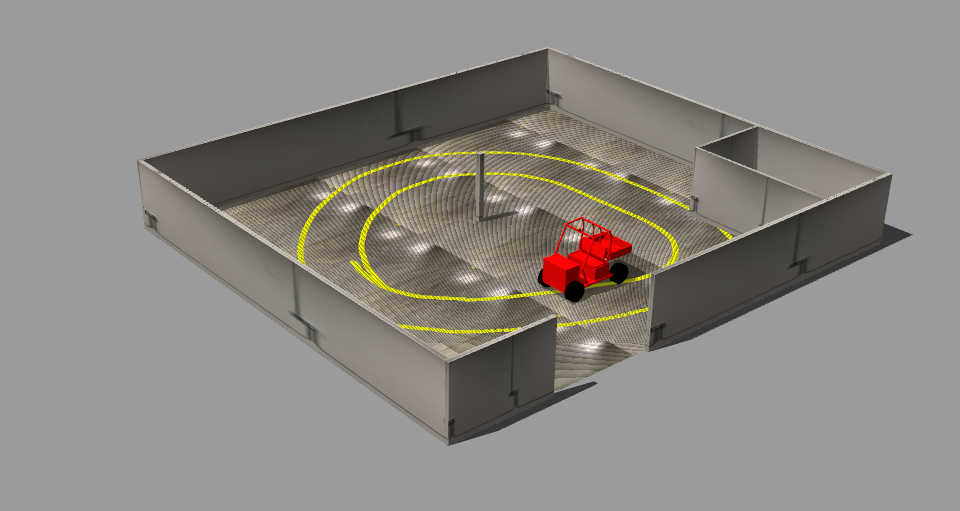
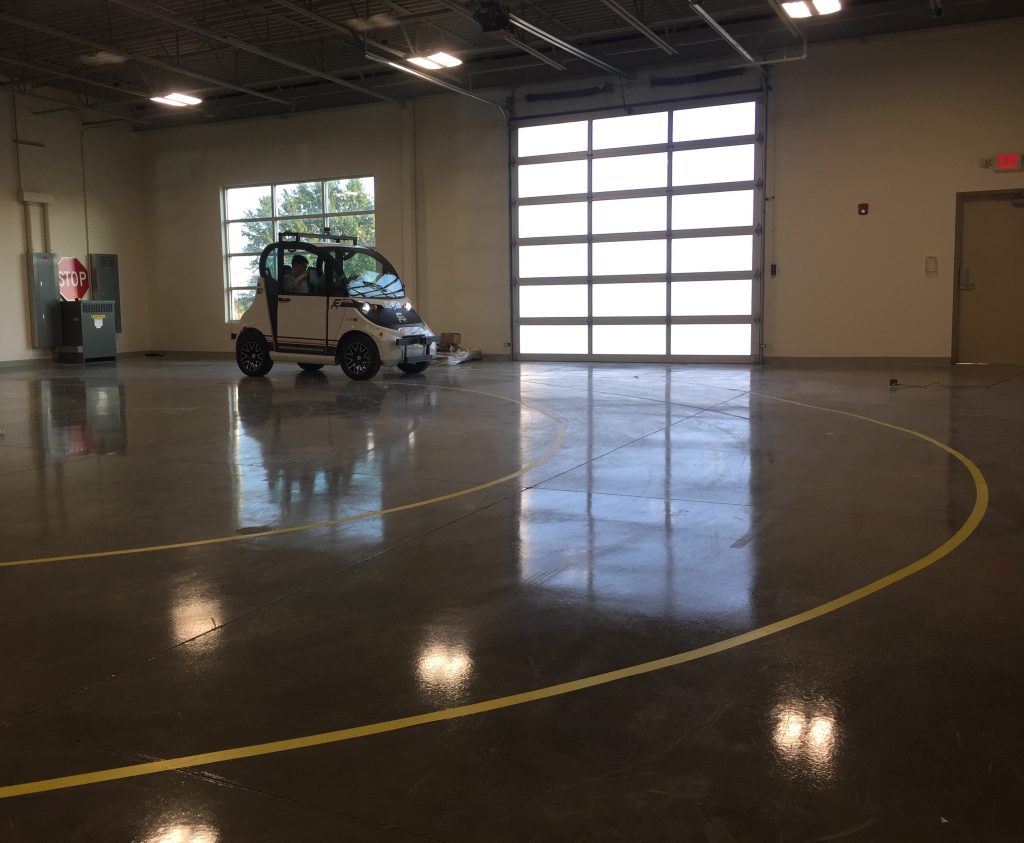
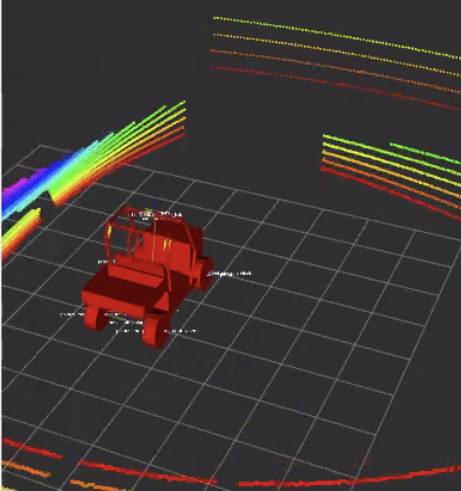
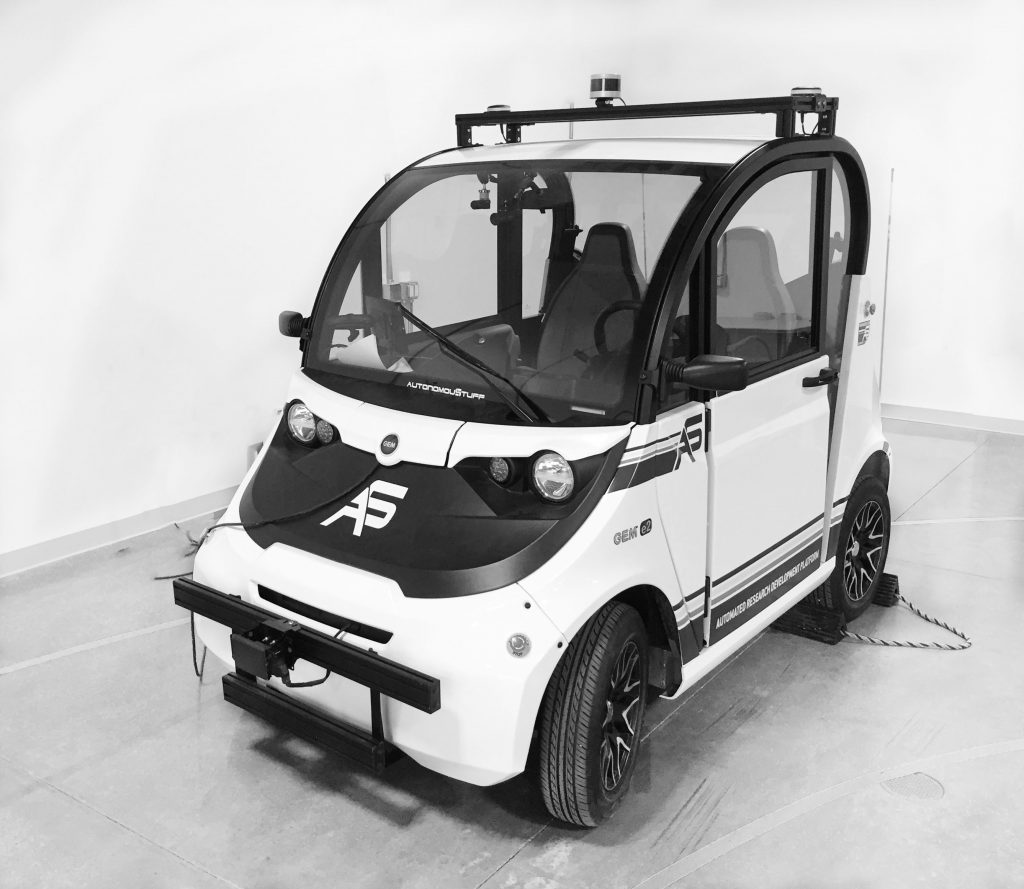
Our GEM vehicle has several software modules for autonomous waypoint following, LIDAR, camera, etc. Please carefully read and get familiar with GEM vehicle resources. More details to come.
Requirements.
-
A few people in your team must have a valid driver's licenses
-
Highly recommended that your team has a car (you will have to get to the highbay often---201 St. Mary’s street, Champaign)
First steps.
Get lab DRS Laboratory Safety Training and DRS Fire Extinguisher Training from here. Generate the training certificates and wait for further instructions. More in-person trainings for the highbay will be necessary.
2. GRAIC (Simulation) Track
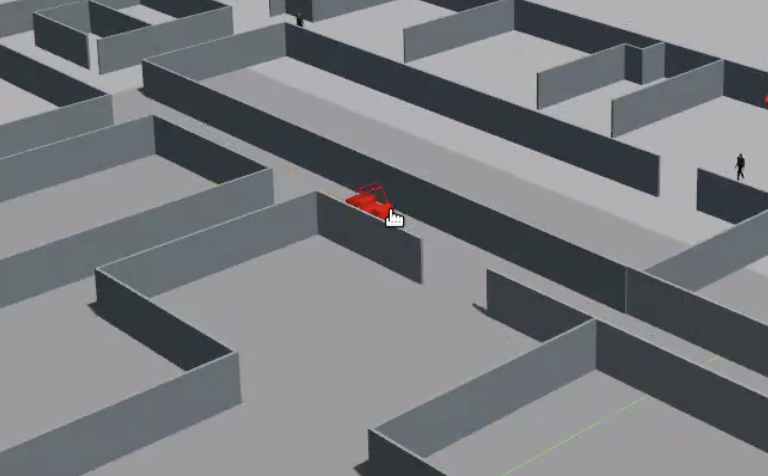
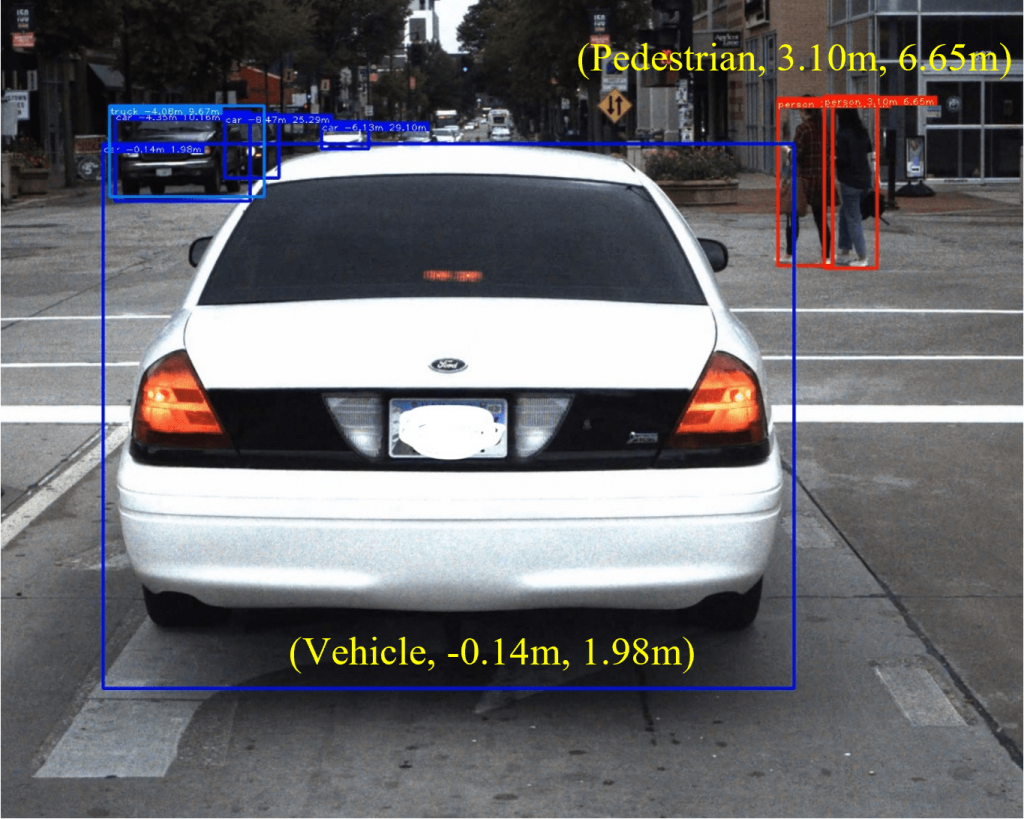
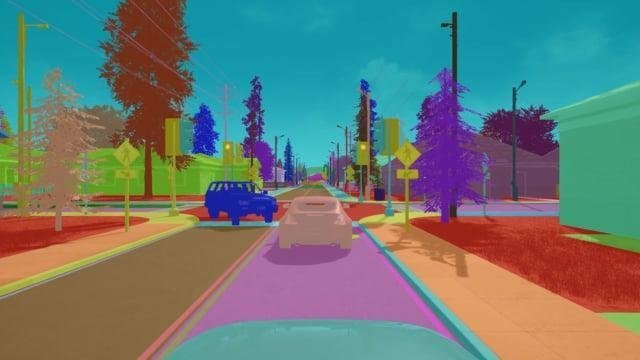
GRAIC is an open international autonomous racing competition. Your team will compete in this race and have to develop the software for autonomous racing in the environment with pedestrians, complex tracks, and other vehicles. Perception is not going to be a big part of the competition, but if you like, you can create your own version of the race and develop the perception pipeline.
First steps.
- Familiarize yourself with the GRAIC simulator and software
3. F1-tenth Track
In the F1-Tenth project, you will be tasked with implementing an autonomy stack on a small car. You have a suite of sensors including an RGBD-camera, 270 degree LiDAR, and motion capture system at your disposal to complete the project. You will be able to test your software on F1-Tenth cars in CSL Studio.
First steps.
- Familiarize yourself with the F1-Tenth hardware
First steps.
Get lab DRS Laboratory Safety Training and DRS Fire Extinguisher Training from Generate the training certificates and wait for further instructions. More in-person trainings for the highbay will be necessary.
4. Drone/Aerial Track
In the Drone project, you will be tasked with implementing the Vision Controller and/or the State Controller for the Crazyflie drones to navigate through several gates on various tracks.
You will be provided with a photorealistic simulation environment (FalconGym), where you will implement your controllers. When you can show safety in simulation, you will work on hardware. This will be done with a Crazyflie drone, a motion capture system, and an AI deck.
Testing will be conducted on the Crazyflie within the CSL Studio's flying arena.
First Steps.
- Familiarize yourself with the FalconGym simulation environment.