Projects - Spring 2026
Build something cool! We will provide a suite of platforms and simulators including the F1Tenth 1/10-scale autonomous racing platform, the Polaris GEM electric vehicle---a full-scale autonomous vehicle, the Crazyflie drone, and the GRAIC racing simulator. You will choose your project track in the first few weeks of the semester, and you will be working on it for the rest of the semester. Our awesome project mentors will be there to guide you along the way. You will have the opportunity to test your software on real hardware, and you will compete against other teams in a final competition at the end of the semester.
Platforms
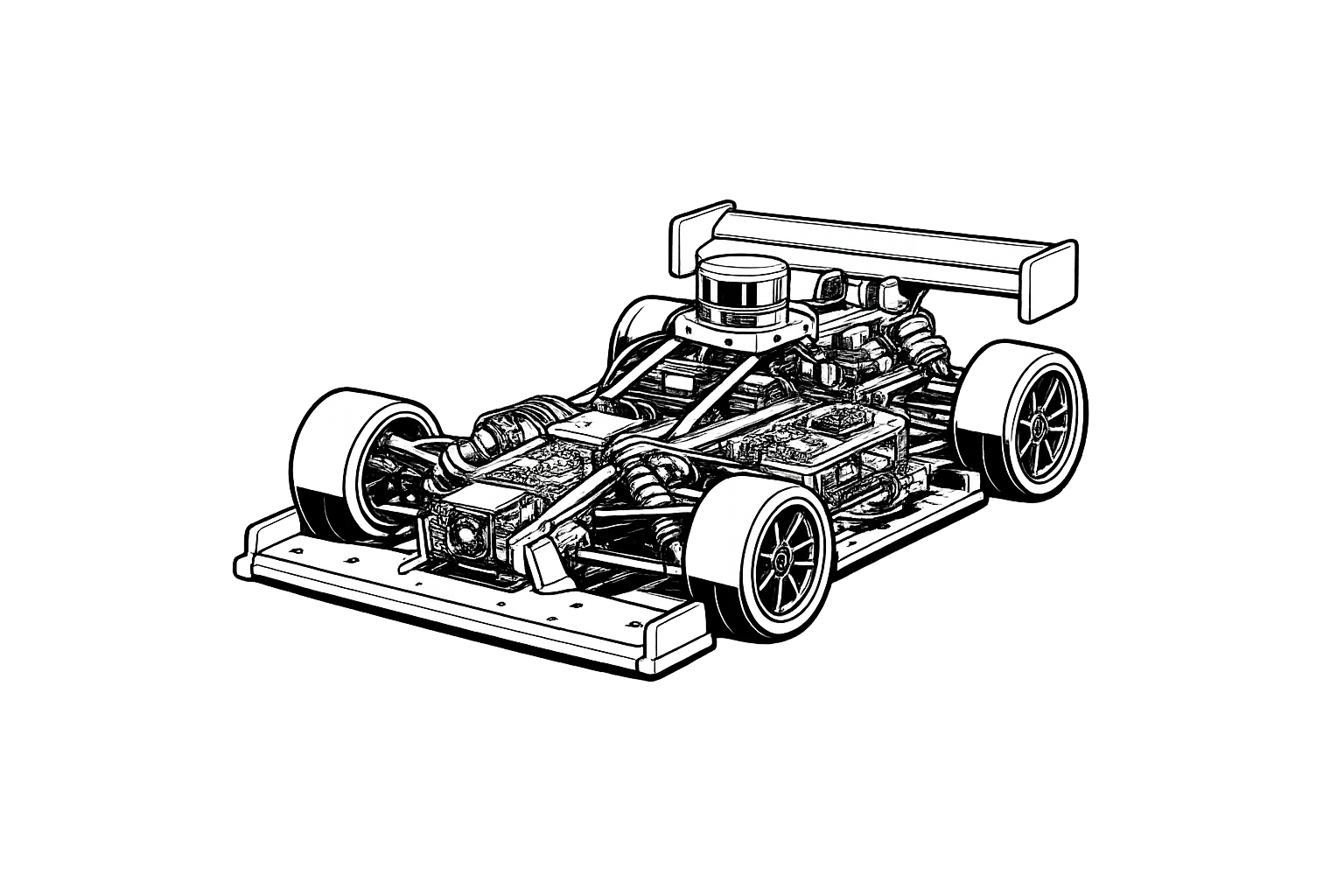
F1Tenth
|
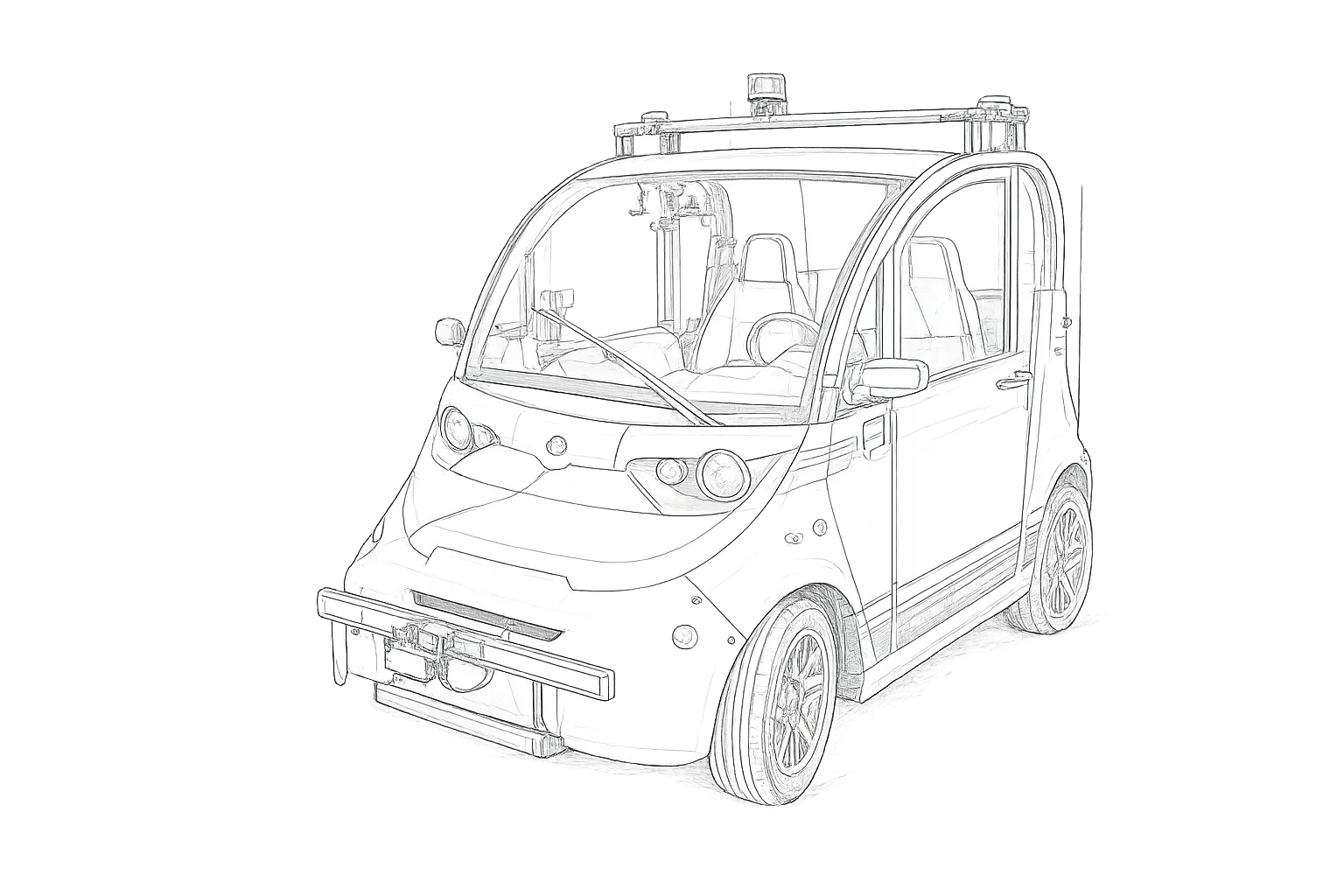
GEM
|
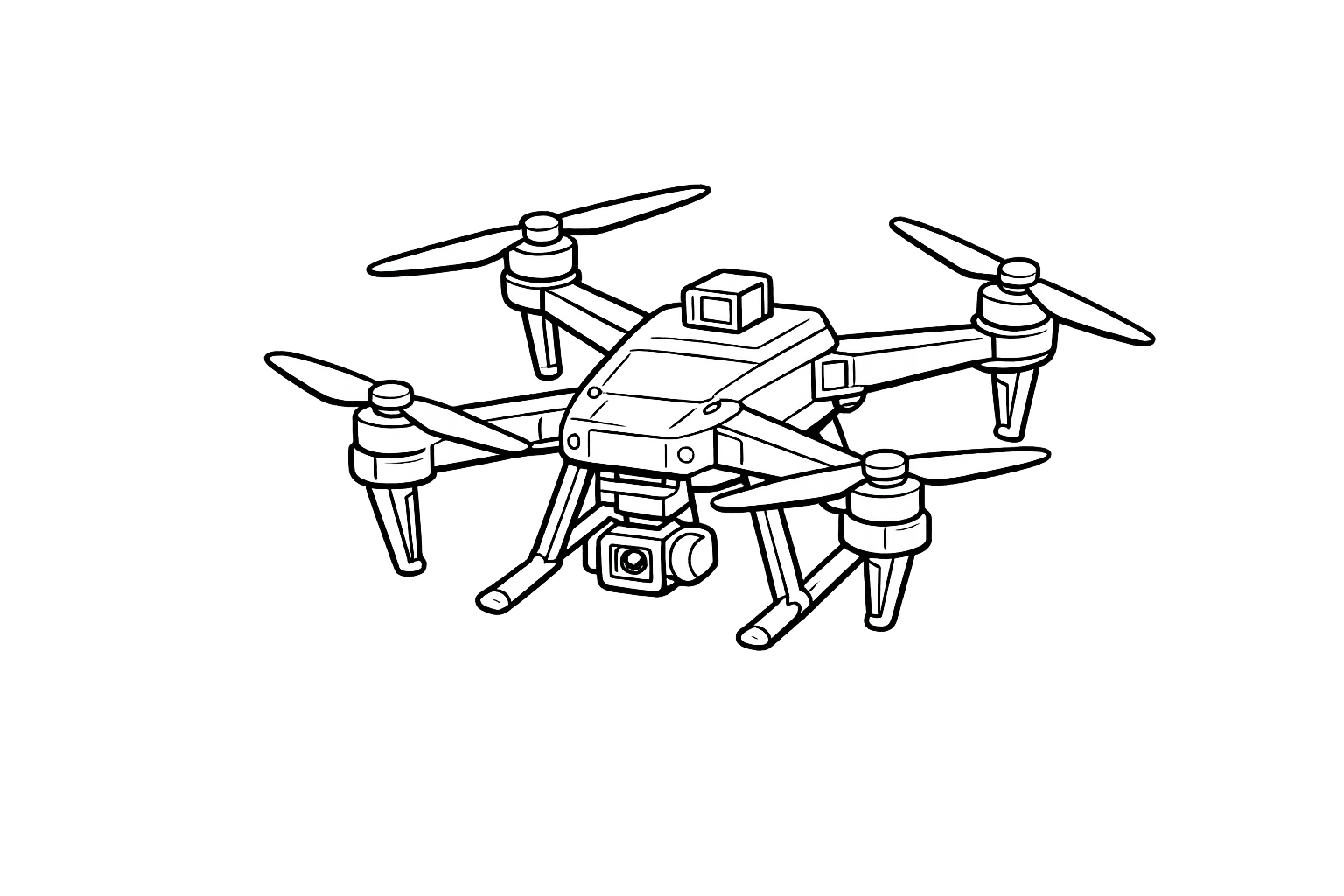
Quadrotor
|
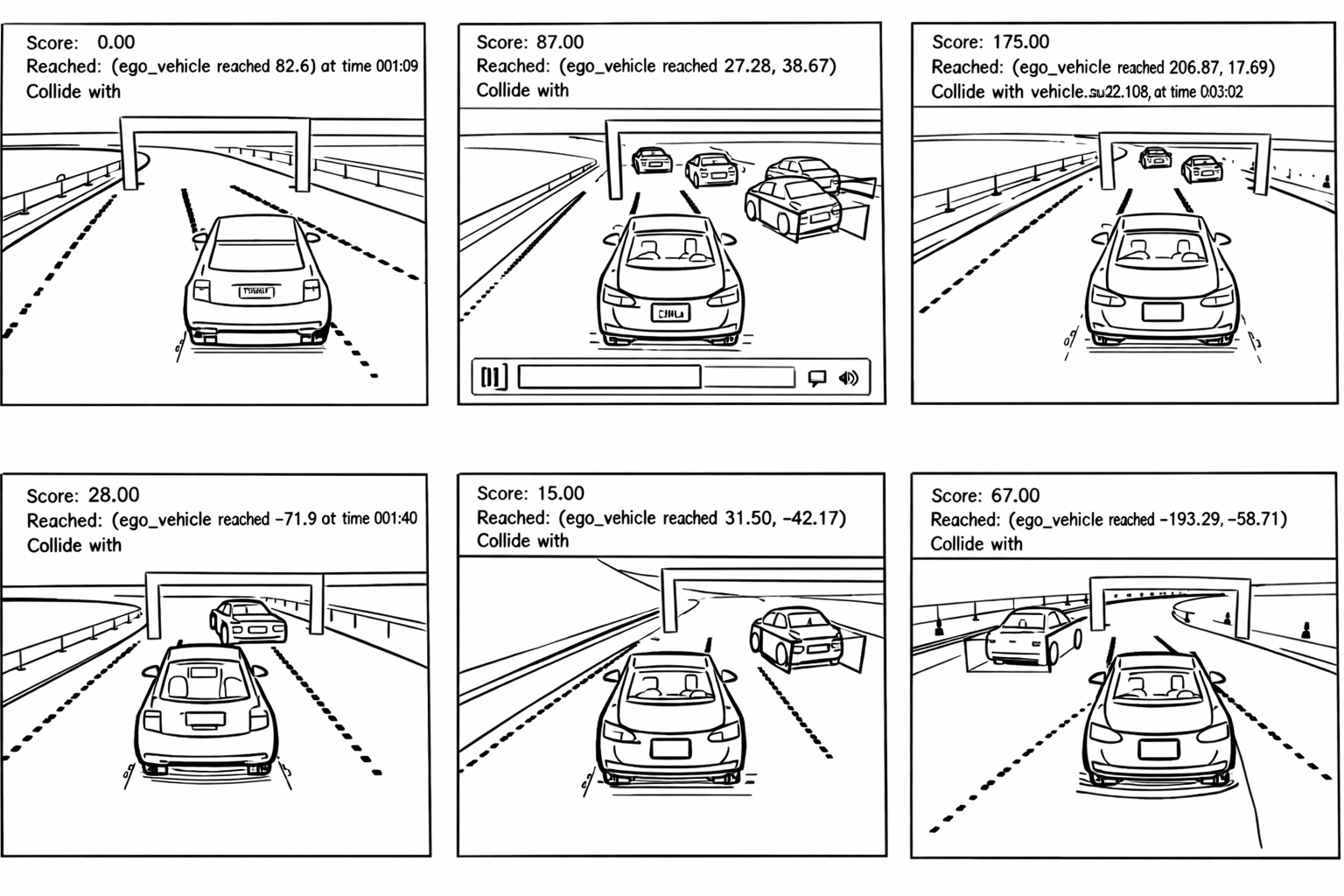
RacingSim (GRAIC)
|
Grading Rubric
The team project is worth 25% of your total grade. The breakdown is as follows:
PITCH (10%)
MIDPOINT CHECK-IN 4/21 Lecture hour(20%)
Project web page (5 points)
- Near final architecture diagram
- Annotated videos of simulation as well as hardware
- Graphs with performance metrics
- What worked and did not work, next steps
Hardware (5 points)
- Collected sufficient data
- Videos/graphs showing that hardware development has gone through
- Details different for each project
Software (5 points)
- 80-90% done on software
- Videos of simulation working
- Details different for each project
Questions (5 points)
- Details for how to setup hardware
- How has hardware data been processed/used for the group outside of CSL/Highbay (e.g., record bags)
- Project-specific sensor details
- Robustness testing
FINAL PROJECT 5/14 7-10 pm Final exam time (70%)
Presentation Guidelines
7 Deadly Sins
- Raw videos without annotations, metrics, or interpretation.
- Graphs with illegible, tiny, or missing labels, legends, and units.
- All bold blocks of paragraphs, center-aligned.
- Reading from a script.
- Improper credit attributions. Incomplete references. Minimally give the title of the work/library, last name of lead author, publication venue, year, and URL for code.
- Overly technical jargon without explanations.
- No discussion of lessons learned, or what the community can take away from your experiences.
4 Virtues
- Present data, not just ideas. Block diagrams are boring — use them only as a necessity.
- Show simulation runs, error margins, and metrics on speed and safety margins.
- Data with proper statistics: number of runs, mean, median, standard deviation, and help us interpret what this means in terms of performance and reliability.
- Set aside time to discuss lessons learned. Beyond what you have done and how, tell us why you made the design decisions, and what lessons the community can take away from your experiences.
Timeline
Posted on schedule.
See project highlights from Spring 2025, Spring 2022, and Spring 2020.