Projects - Fall 2026
Build something cool! We will provide a suite of platforms and simulators including the F1Tenth 1/10-scale autonomous racing platform, the Polaris GEM electric vehicle---a full-scale autonomous vehicle, the Crazyflie drone, and the GRAIC racing simulator. You will choose your project track in the first few weeks of the semester, and you will be working on it for the rest of the semester. Our awesome project mentors will be there to guide you along the way. You will have the opportunity to test your software on real hardware, and you will compete against other teams in a final competition at the end of the semester.
Platforms
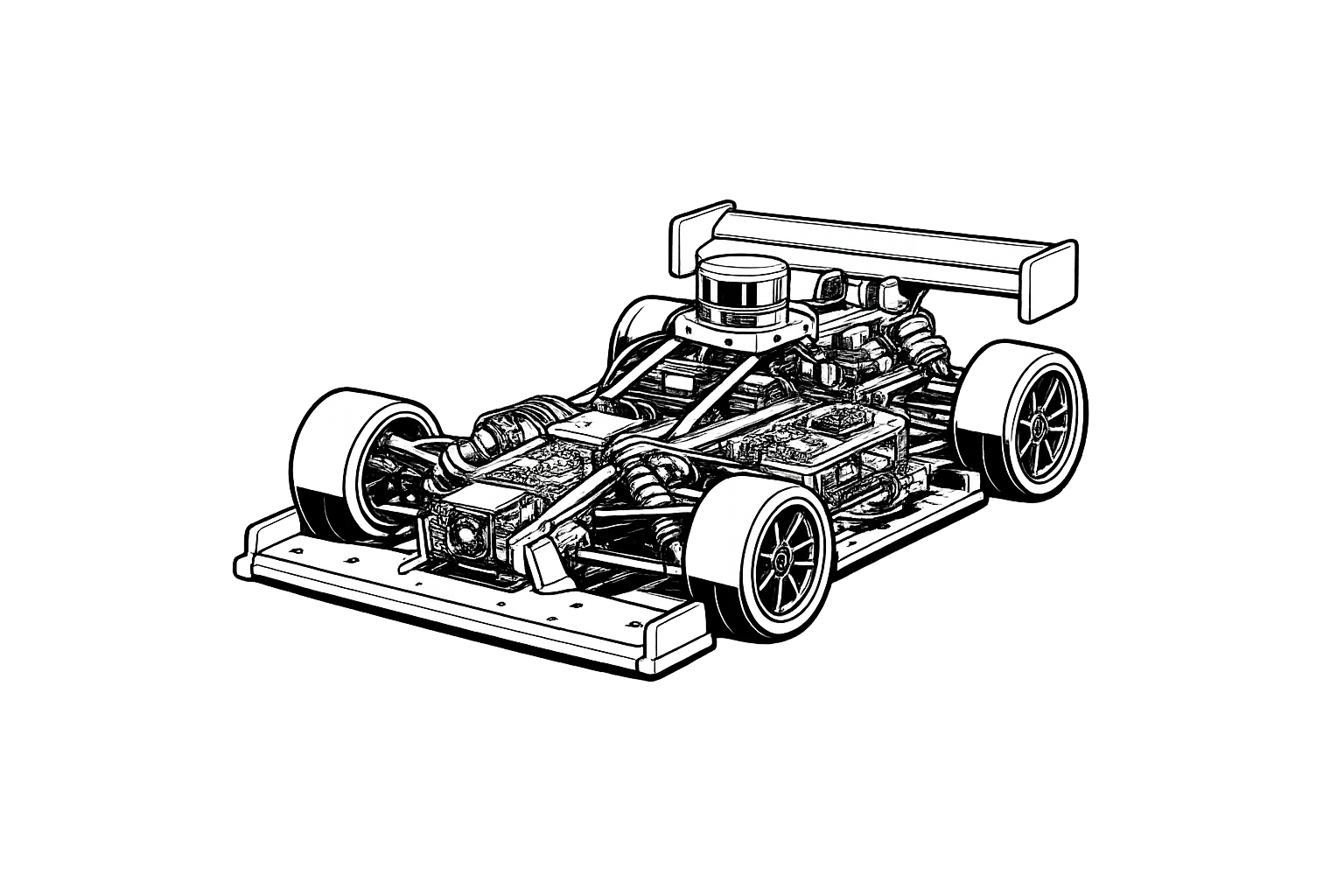
F1Tenth
|
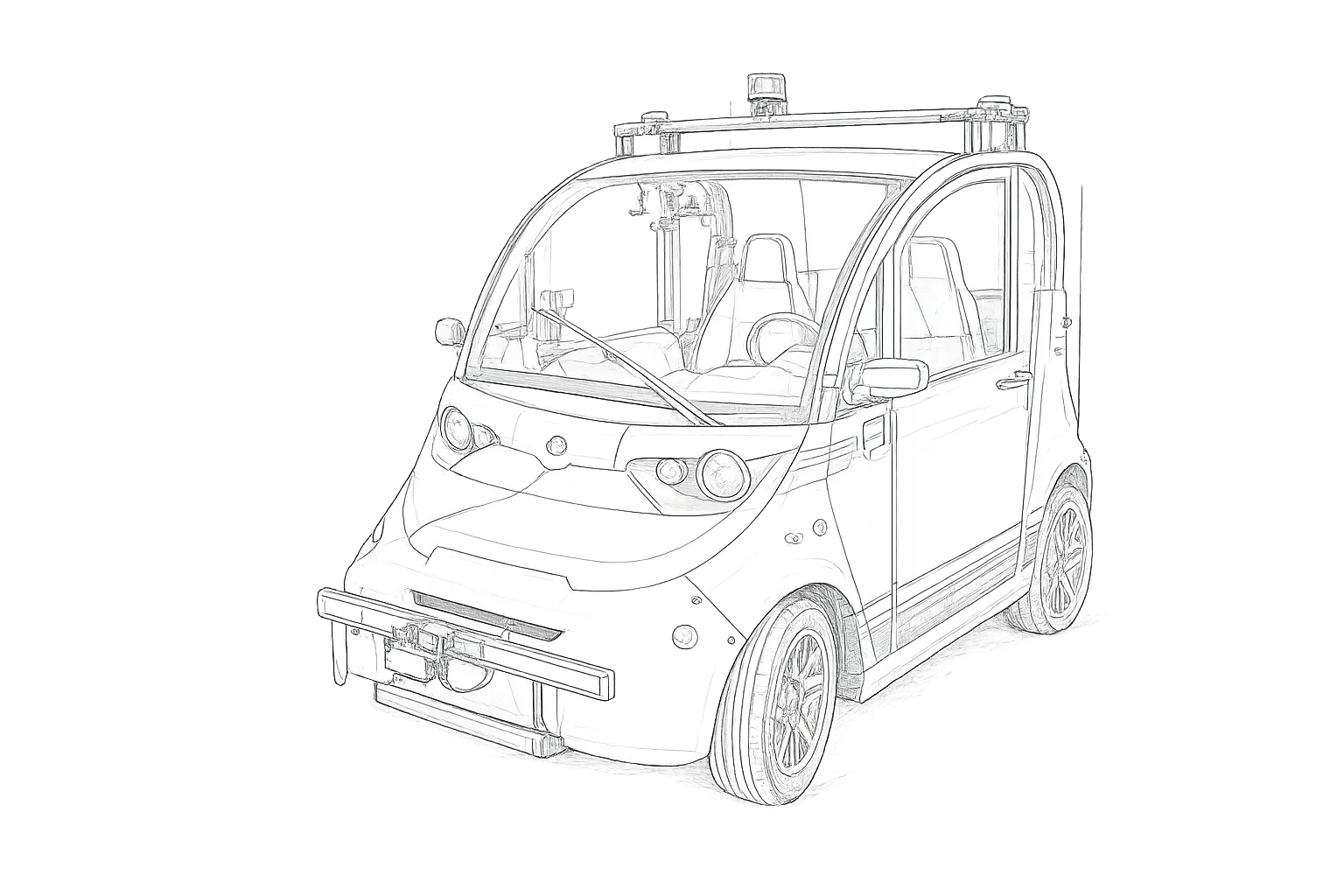
GEM
|
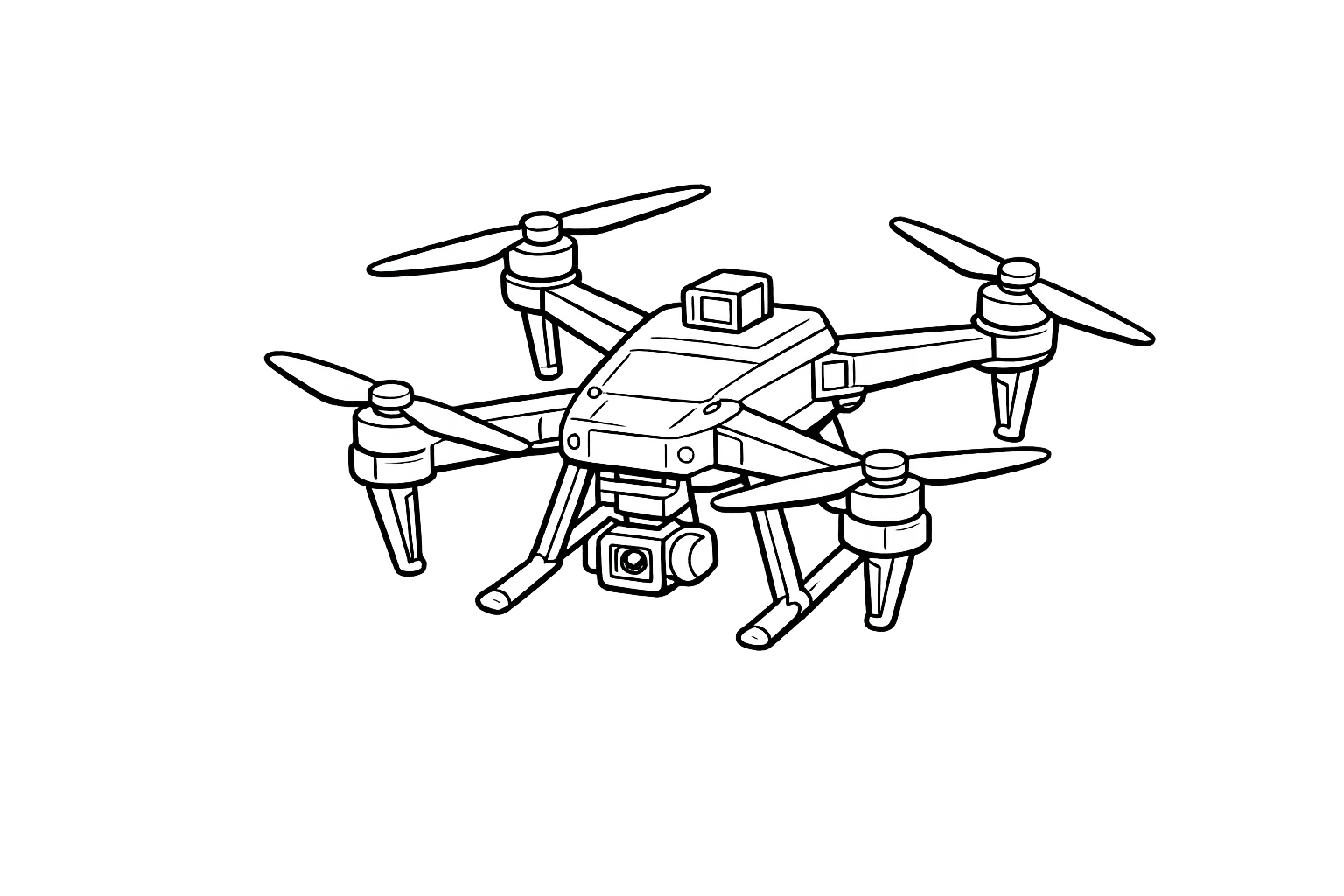
Quadrotor
|
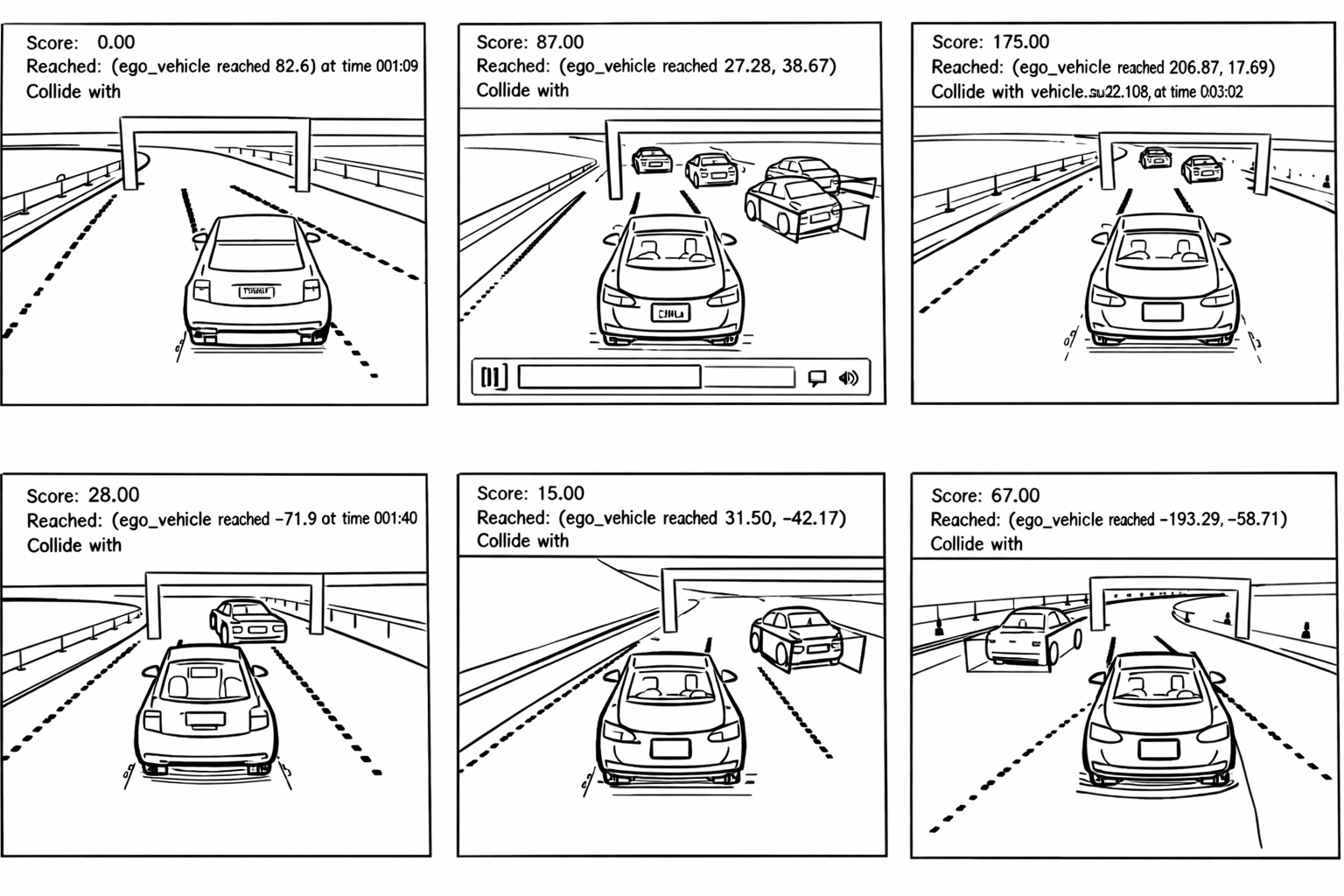
RacingSim (GRAIC)
|
Grading Rubric
The team project is worth 25% of your total grade. The breakdown of the grades is below.
PROJECT PITCHES (10%)
In class, you’ll be giving a high-level pitch of what you would like to focus on for your project. Here is a template for your presentation.
MILESTONE CHECK-IN (20%)
Choose any 15-minute slot during TBD to discuss your progress with TAs.
You are expected to have 12*N hours of work since the pitch presentations (N=number of group members)
It will be a combination of Group progress + Individual Questions
FINAL PRESENTATION (70%)
ECE484 Presentation Guidelines:
- You must provide a motivation and introduction to your project, a description of the overall system, methods you have used, and your key highlights of your results in a 2 min video. Make sure it is visually interesting. This is to be submitted by TBD 11:59PM
- Your final presentation will be TBD where you will give a VERY BRIEF description of your problem and focus PRIMARILY on your results and evaluation.
- You will be graded by the course staff on your (1) pitch / motivation; (2) clarity of the system description; (3) novelty of the method; (4) thoroughness of (proposed) analysis and results (if finished); and (5) presentation style.
- A rubric will be posted soon.
Presentation Guidelines
7 Deadly Sins
- Raw videos without annotations, metrics, or interpretation.
- Graphs with illegible, tiny, or missing labels, legends, and units.
- All bold blocks of paragraphs, center-aligned.
- Reading from a script.
- Improper credit attributions. Incomplete references. Minimally give the title of the work/library, last name of lead author, publication venue, year, and URL for code.
- Overly technical jargon without explanations.
- No discussion of lessons learned, or what the community can take away from your experiences.
4 Virtues
- Present data, not just ideas. Block diagrams are boring — use them only as a necessity.
- Show simulation runs, error margins, and metrics on speed and safety margins.
- Data with proper statistics: number of runs, mean, median, standard deviation, and help us interpret what this means in terms of performance and reliability.
- Set aside time to discuss lessons learned. Beyond what you have done and how, tell us why you made the design decisions, and what lessons the community can take away from your experiences.
Timeline
- September 25th: Signups Open
- October 1st: Finalize Teams and Tracks
- October 6th: Start Safety Training for Hardware Teams
- October 13th and 15th: Project Pitch Presentation
- October 19th: Official start of final projects
- December 11th: Final Presentations
TBD: Team evaluation form due [link will be made available towards the end of semester]
Check lectures for details on what to develop for each of tracks!
Check Campuswire for detailed guidelines and examples for the final presentation, mid-point check-in, and pitch presentation!
See project highlights from Spring 2025, Spring 2022, and Spring 2020.